
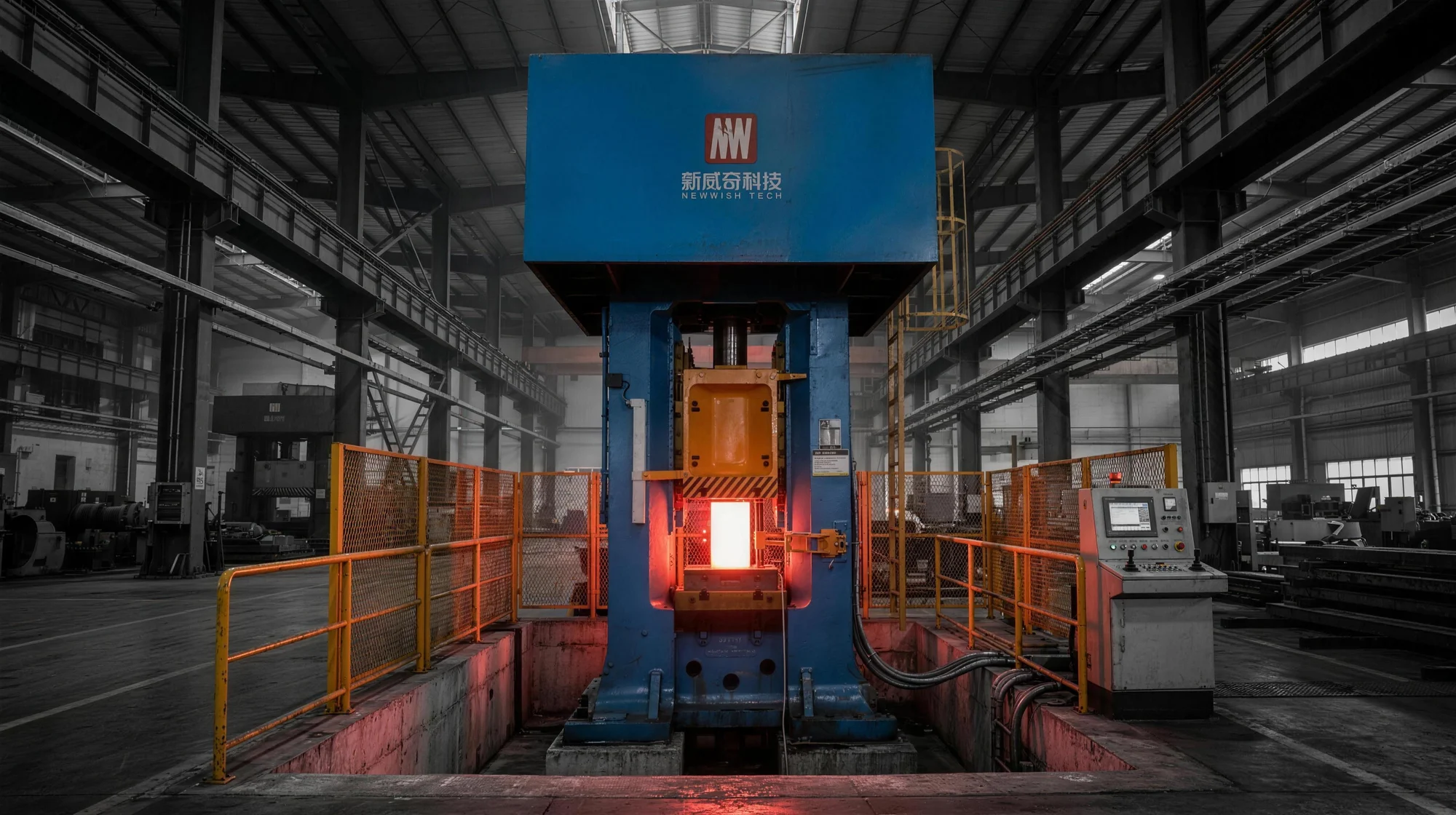
BDS/FG — The forging shop
Where the partis really made
Machining gives a component its dimensions. Forging gives it its strength. Our shop runs a 1000-tonne direct drive screw press alongside 160-tonne knuckle joint and crank presses — with induction heating, in-house tempering and PLC control across the line.
1000
Tonne screw press
160
Tonne knuckle joint
160
Tonne crank press
1500
Tonne press — FY 2027
Why we forge in-house
A machined part is only as good as the billet it was cut from.
Forging aligns the grain flow to the shape of the component instead of cutting through it — which is why a forged hub or shaft outlasts a machined-from-bar equivalent under fatigue. By owning the presses, the heating and the dies, we control that metallurgy ourselves rather than inheriting whatever a supplier sent us.
BDS/FG — Press line
The presses
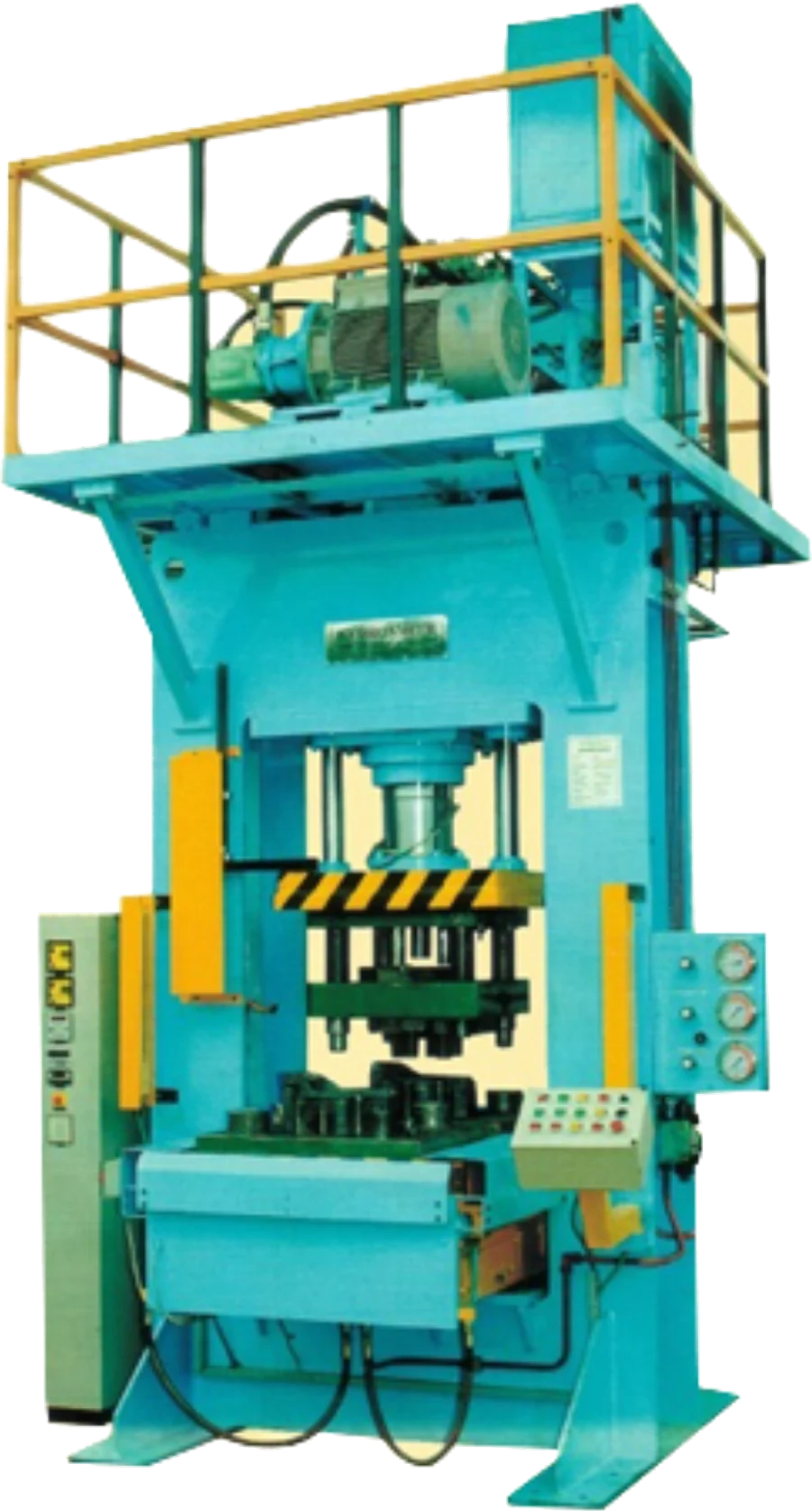
Four press types and five presses, from 1000-tonne closed-die work down to dedicated trimming.
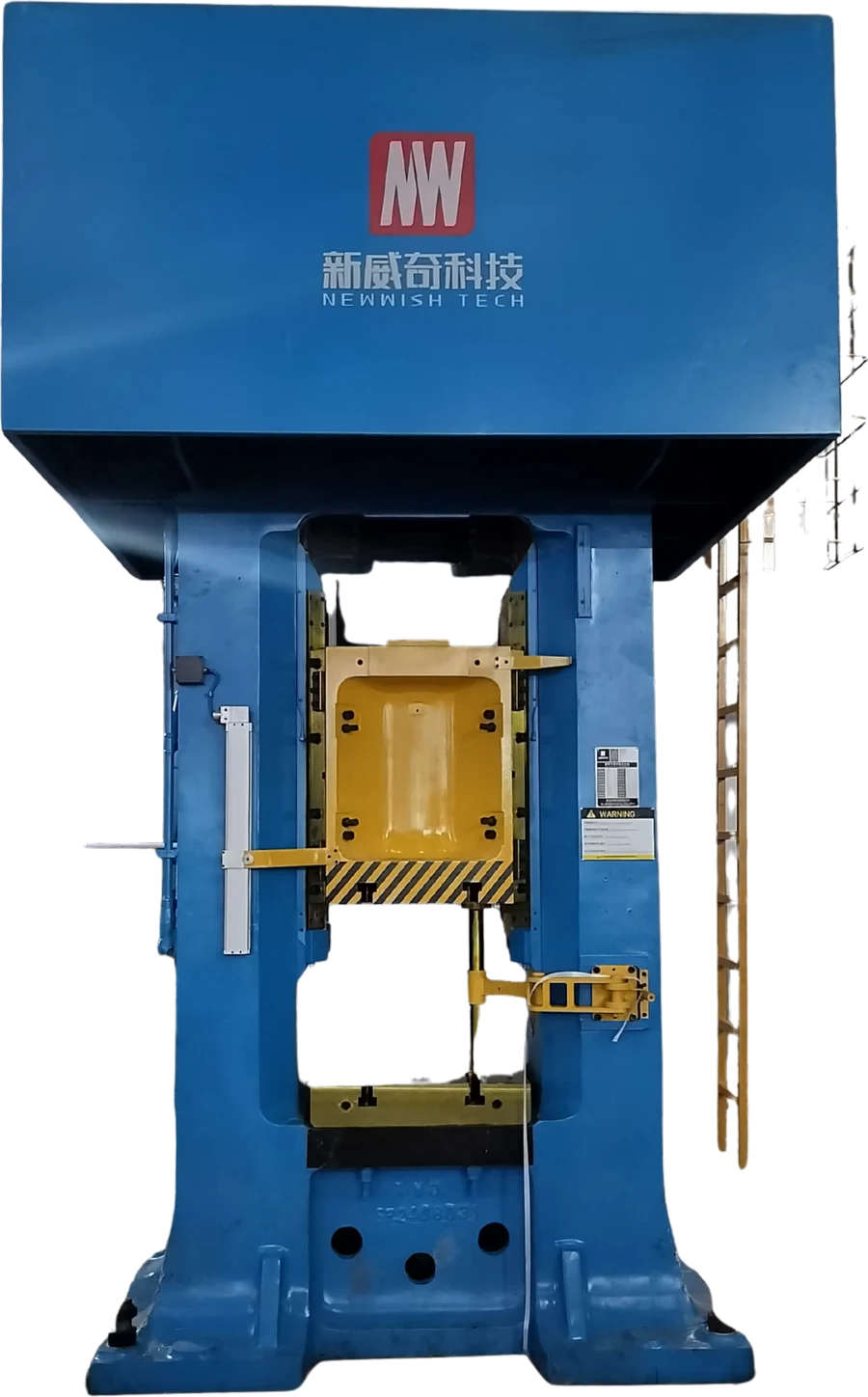 Qty 01
Direct Drive Screw Press
The heart of the shop — direct drive, programmable stroke, closed-die forging of the heaviest parts we run.
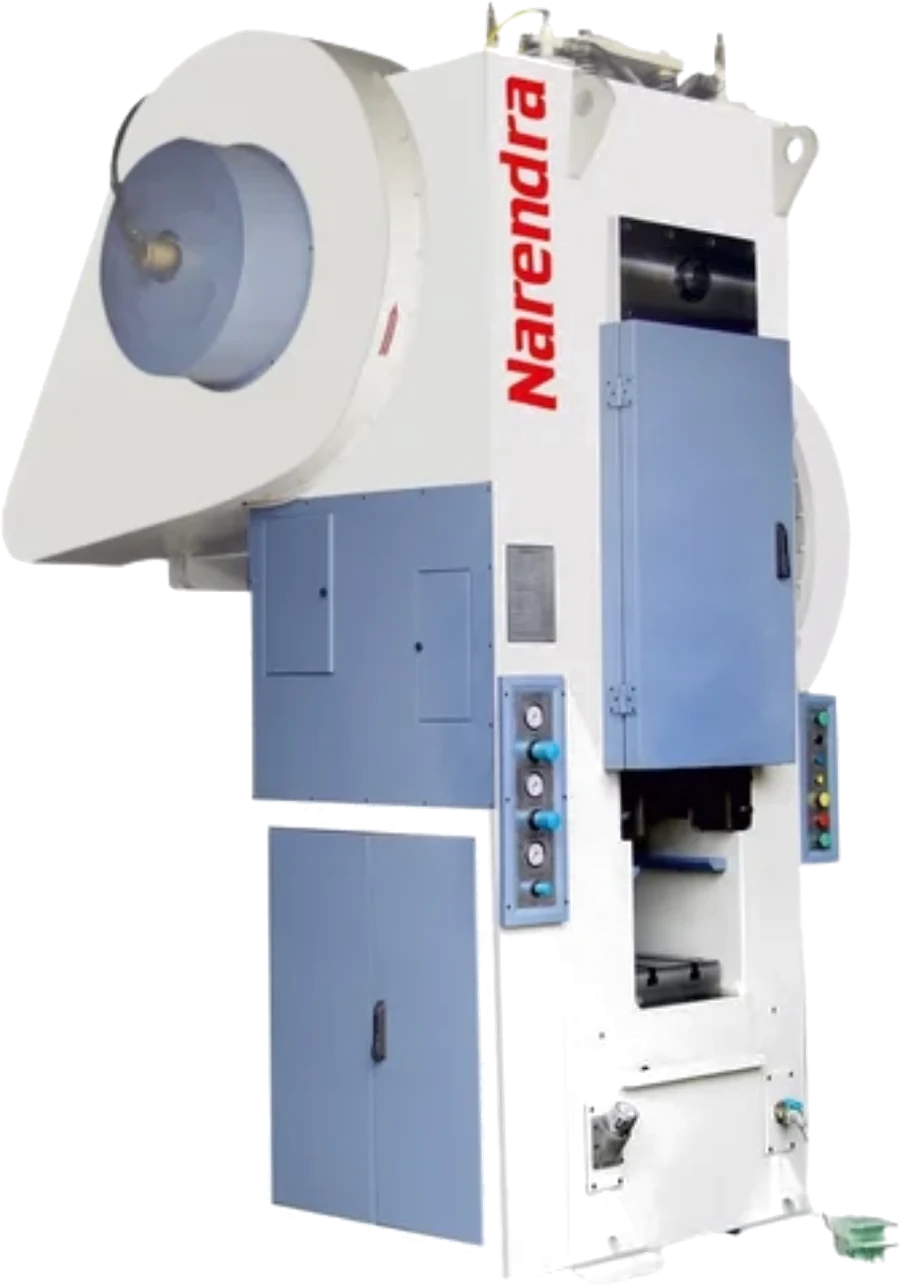 Qty 01
Knuckle Joint Press
High-repeatability coining and near-net forging where dimensional consistency matters most.
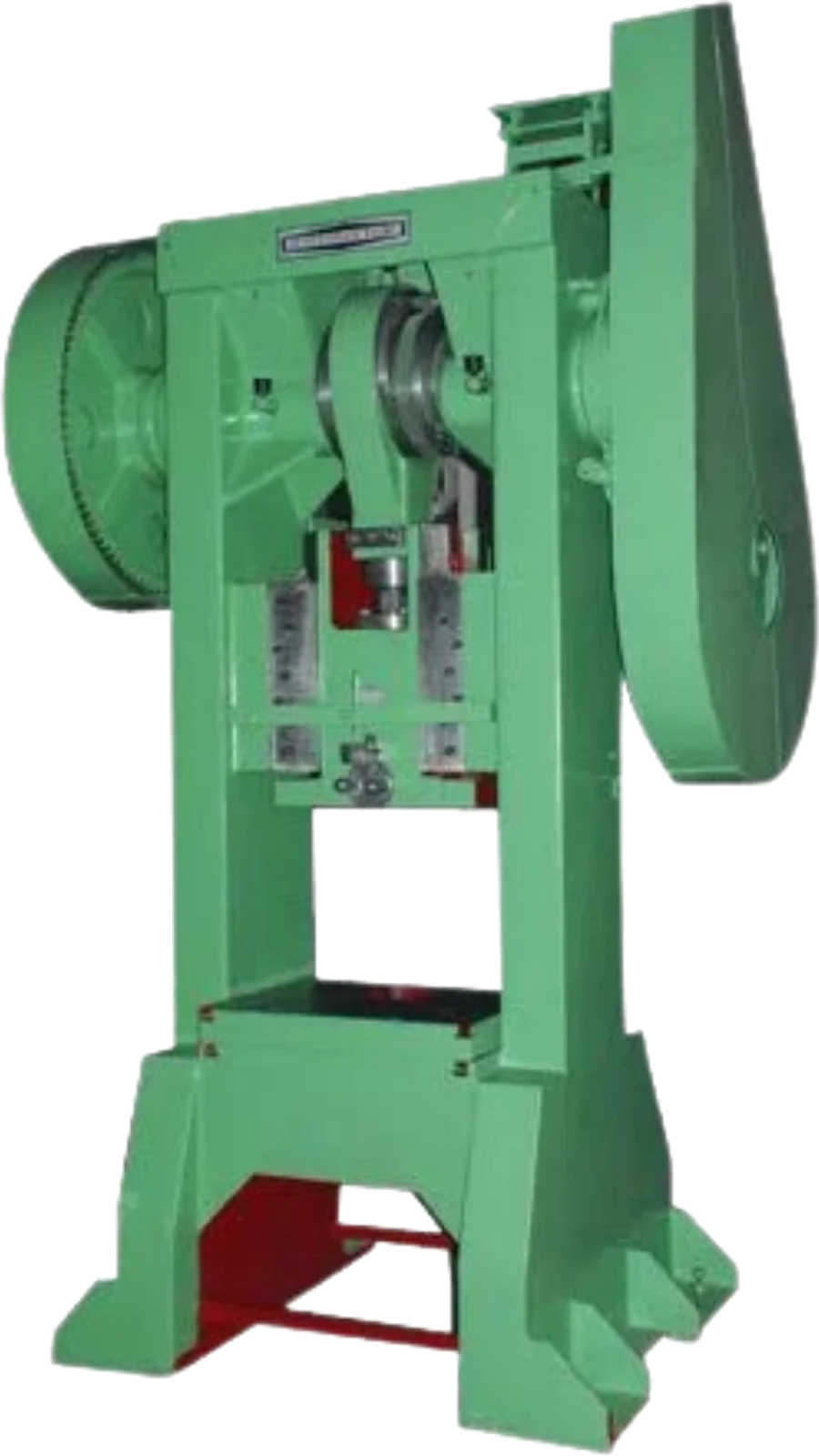 Qty 01
Crank Press
Workhorse press for high-volume hot forging of small and mid-size components.
 Qty 02
Trimming Presses
Two dedicated sets that trim flash straight off the forging line, keeping parts moving to machining.
BDS/FG — Shop strengths
What makes the line different
Direct drive, controlled heating and logged process parameters — the reasons our forgings repeat.
01
Direct drive technology
Energy delivered straight to the ram — more blow energy, better die filling and lower cycle times than a conventional friction screw press.
02
Programmable stroke control
Blow energy and stroke are set per part and repeated exactly, so the hundredth forging matches the first.
03
High precision & repeatability
Tight, repeatable forgings mean smaller machining allowances — less material removed, lower cost per part.
04
Billet induction heater
Controlled, uniform billet heating with no scale-heavy furnace soak — cleaner surfaces and consistent grain flow.
05
Aluminium tempering setup
In-house heat treatment for aluminium forgings, so temper condition is controlled under our own roof.
06
PLC control technology
Siemens SIMATIC PLC control across the line — parameters logged, interlocked and traceable.
07
Industry 4.0 ready
The shop is wired for data capture, ready for machine monitoring as it rolls out across the plant.
Coming FY 2027
1500 T
A 1500-tonne forging press joins the line, lifting both part size and volume capacity.
BDS/FG — Shop floor
Inside the forging shop
Stills from the floor in Kalanaur — heating, forging, trimming and the parts that come off the line.
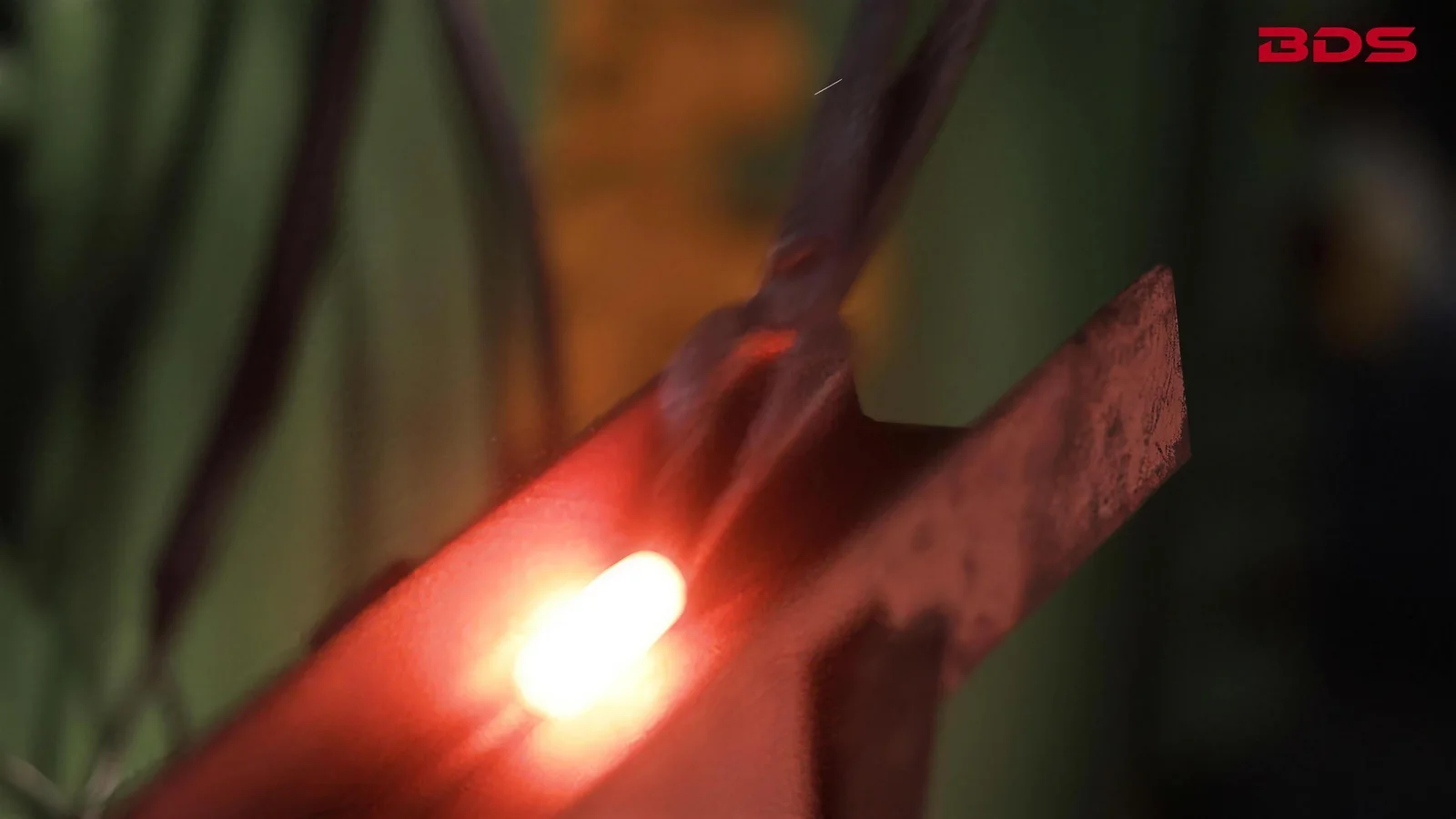
Billet at forging temperature
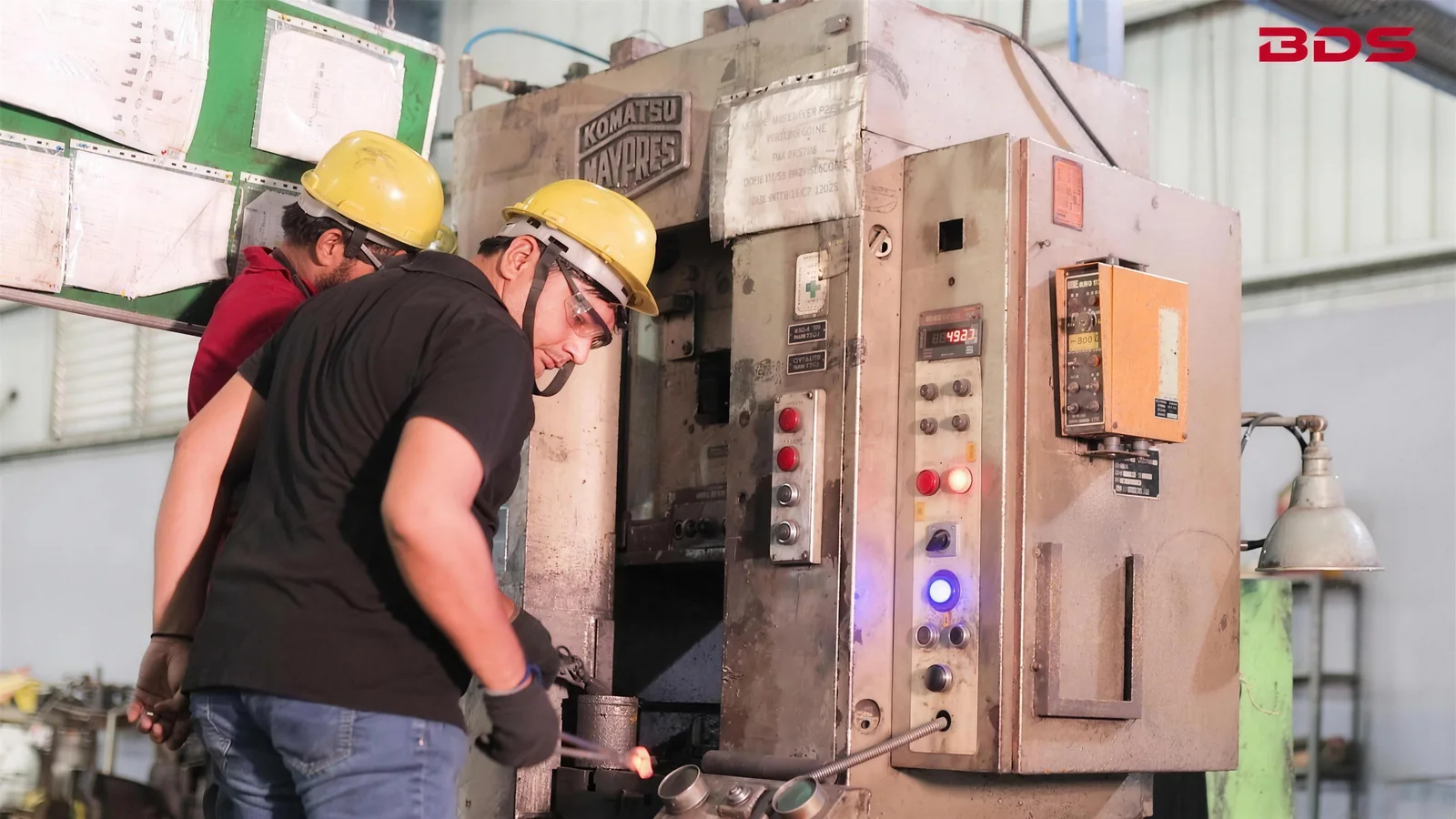
Press operation
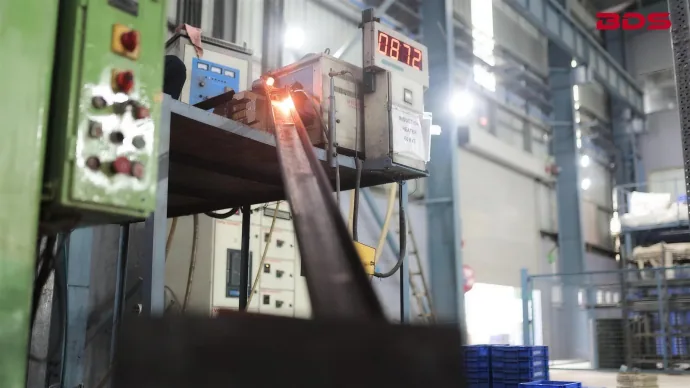
Induction heating
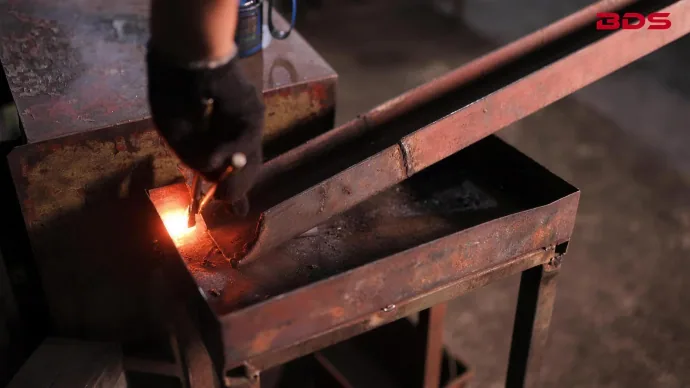
Billet handling
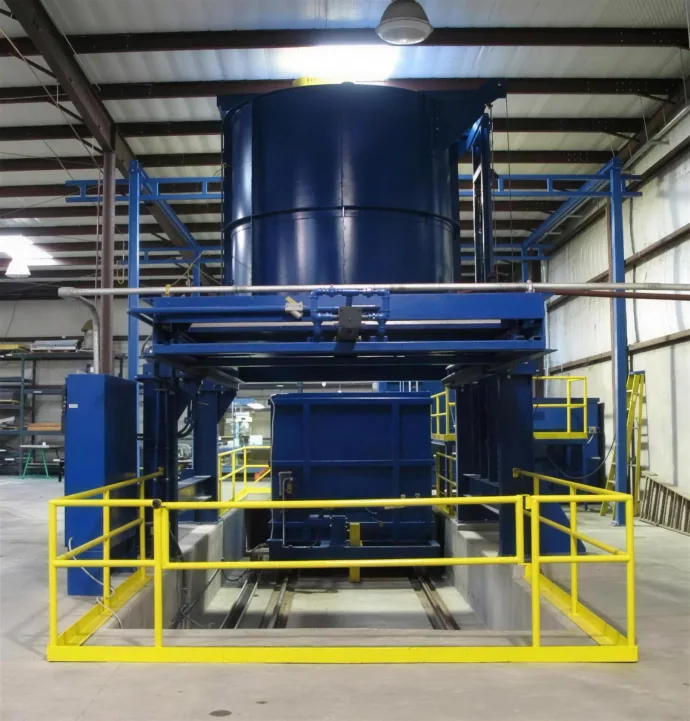
Aluminium tempering
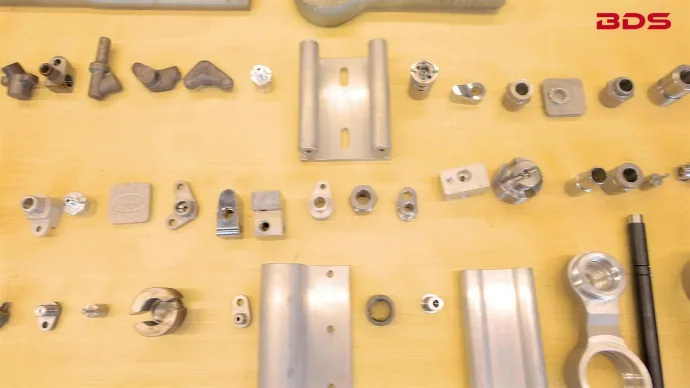
Forged component range
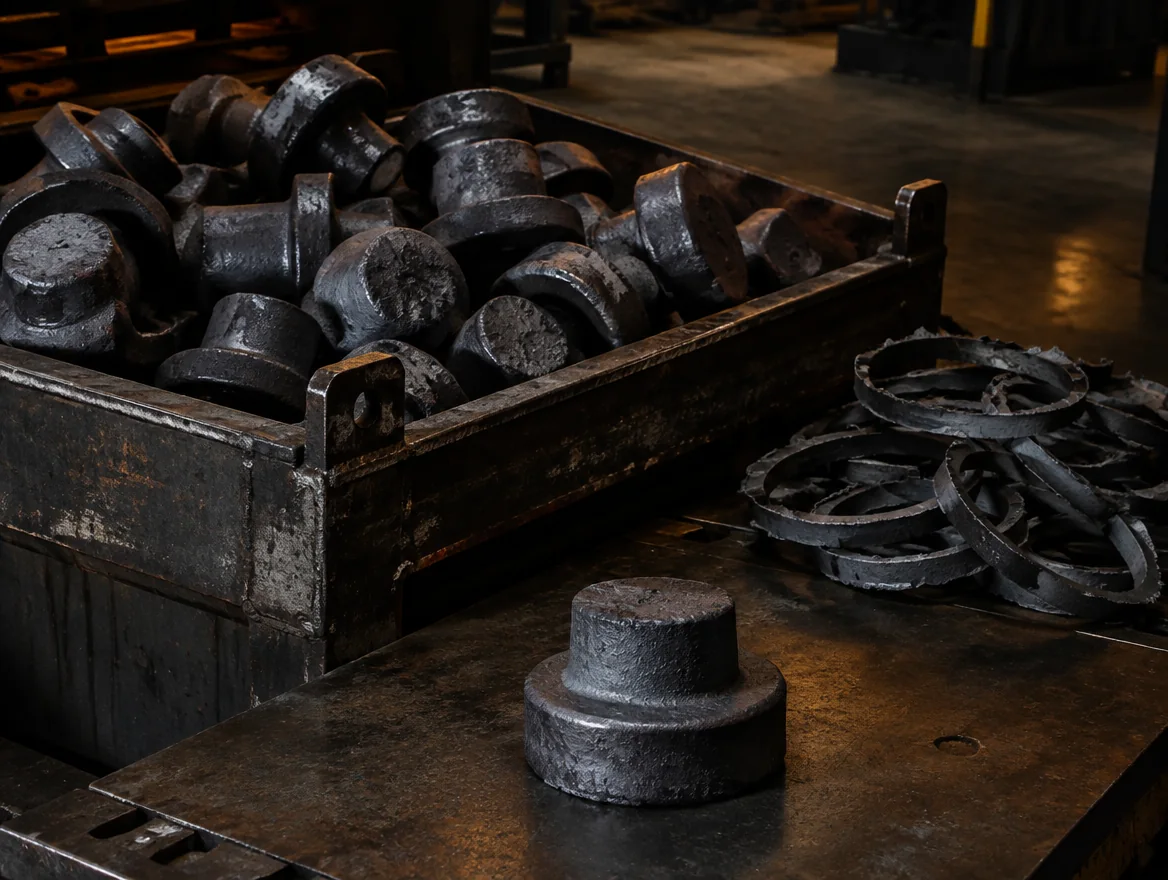
Trimmed forgings and flash
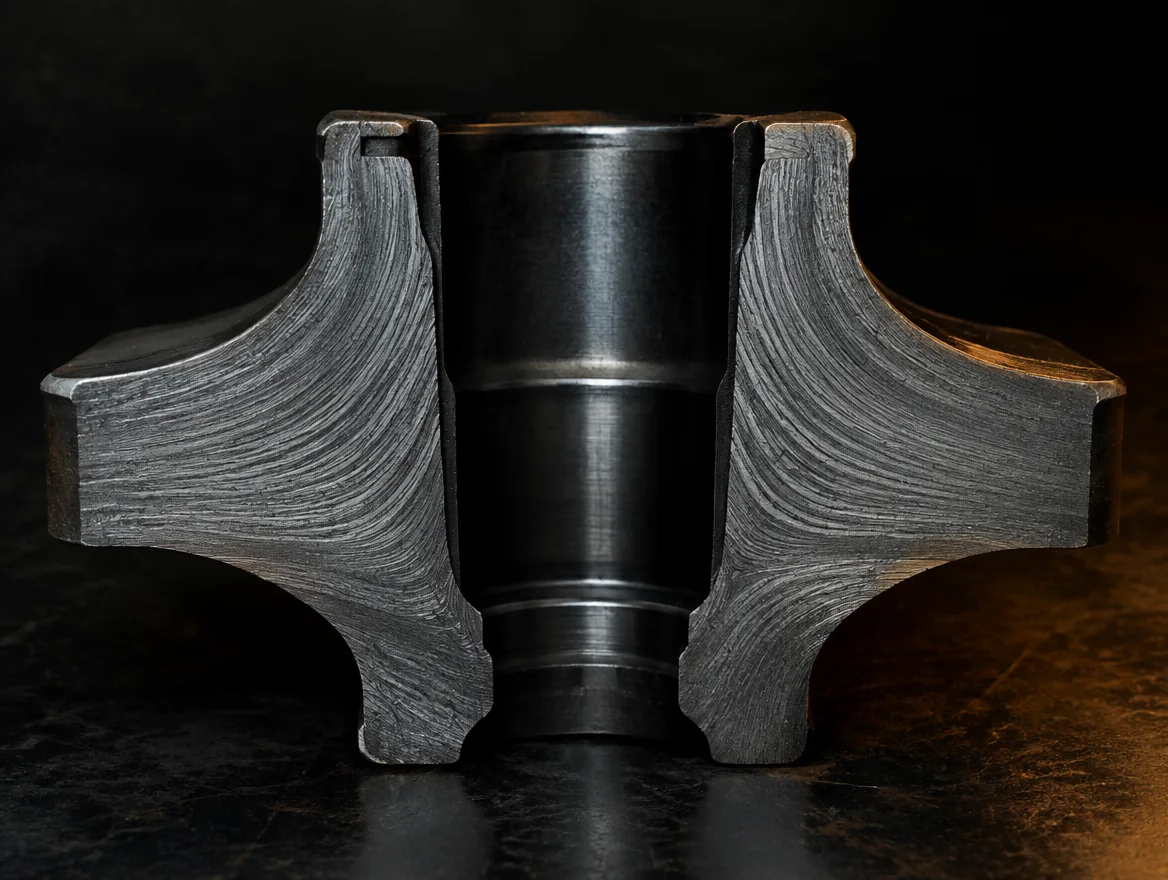
Grain flow in a forged section
BDS/MT — Materials
Full material capability →Every metal below forges on our presses — each with its own heating profile and die strategy, from workhorse alloy steels through to titanium and superalloys.
- Alloy Steel
- Stainless Steel
- Aluminium Alloy
- Titanium Alloy
- Copper Alloy
- Superalloys
Where to go next
BDS/RFQ — Start a project
Got a forging to place?
Send the drawing and the annual volume — we will come back with press selection, die strategy and a quotation.